
In many industrial facilities, condensate handling only gets attention when something goes wrong. Romtec Utilities approaches that challenge by designing packaged pumping systems that help facilities manage hot condensate more reliably, efficiently, and with fewer surprises.
A system that seems secondary can suddenly become the source of downtime, energy loss, maintenance headaches, or equipment damage when hot condensate is not collected and transferred the right way.
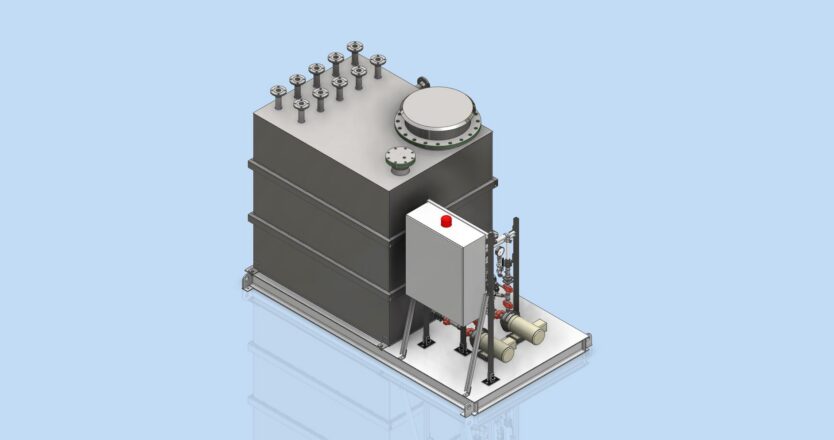
That is why condensate skid pumps matter. These packaged pumping systems bring pumps, tanks, piping, valves, controls, and instrumentation together into one skid-mounted solution that helps facilities manage hot condensate safely, efficiently, and with more confidence.
For many applications, standard equipment is not enough. Condensate may be hot, corrosive, chemically aggressive, or subject to changing flow conditions, and those realities can put extra stress on pumps and controls. When the pump system is not designed for the job, the result can be avoidable operating costs, reduced equipment life, and unreliable performance.
Romtec Utilities designs custom condensate skid pumps around the real needs of each project, including flow, head, temperature, materials, controls, site layout, and owner preferences. Instead of forcing a facility to adapt to standard equipment, Romtec Utilities can deliver a complete packaged pumping system engineered to fit the application from the start.
Key Takeaways
- Custom condensate skid pumps are built around the specific needs of a project, including flow, temperature, materials, controls, and installation requirements.
- They can help reduce downtime, improve efficiency, and protect equipment in demanding industrial settings.
- Romtec Utilities can deliver a complete skid-mounted package with pumps, storage tanks, piping, valves, controls, and instrumentation.
- Custom engineering is especially valuable when a facility has high temperatures, corrosive condensate, limited space, or strict owner standards.
Why Industrial Condensate Handling Matters
Proper condensate management supports more than fluid movement. It helps facilities protect equipment, recover thermal energy, reduce water use, and improve system efficiency. Returning or routing condensate correctly can lower fuel consumption, reduce fresh water demand, and help prevent corrosion, water hammer, leakage, and other issues that can affect uptime and maintenance costs.
That is why condensate handling deserves more attention than it often gets. When condensate is not collected and transferred properly, efficiency can drop, equipment can wear faster, and maintenance demands can grow. A well-designed skid pump helps prevent those problems and supports steadier, more predictable operation.
At Romtec Utilities, condensate handling is not treated like an afterthought. It is approached as a critical part of long-term system reliability, efficiency, and project performance.
Why Custom Condensate Skid Pumps Matter in Industrial Applications
Off-the-shelf equipment may work for simple service, but many condensate applications involve higher temperatures, changing loads, corrosive conditions, limited space, or specific control requirements. In those environments, custom engineering helps ensure the system is built for the job instead of asking the job to fit the equipment.
With a custom package, Romtec Utilities can select the right pump arrangement, materials, controls, instrumentation, and piping layout for the job. That means better reliability, easier maintenance, and a system that fits the facility instead of forcing the facility to adapt to the equipment.
Because the system is engineered as one coordinated package, owners also benefit from better quality control, reduced field assembly, and a smoother path through installation, startup, and long-term operation.
What a Custom Pump Skid Can Include
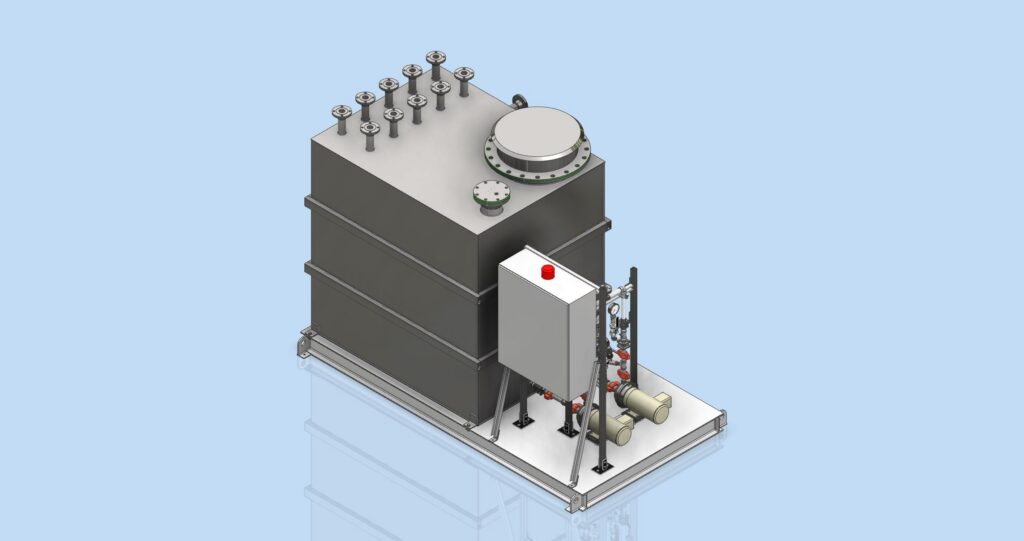
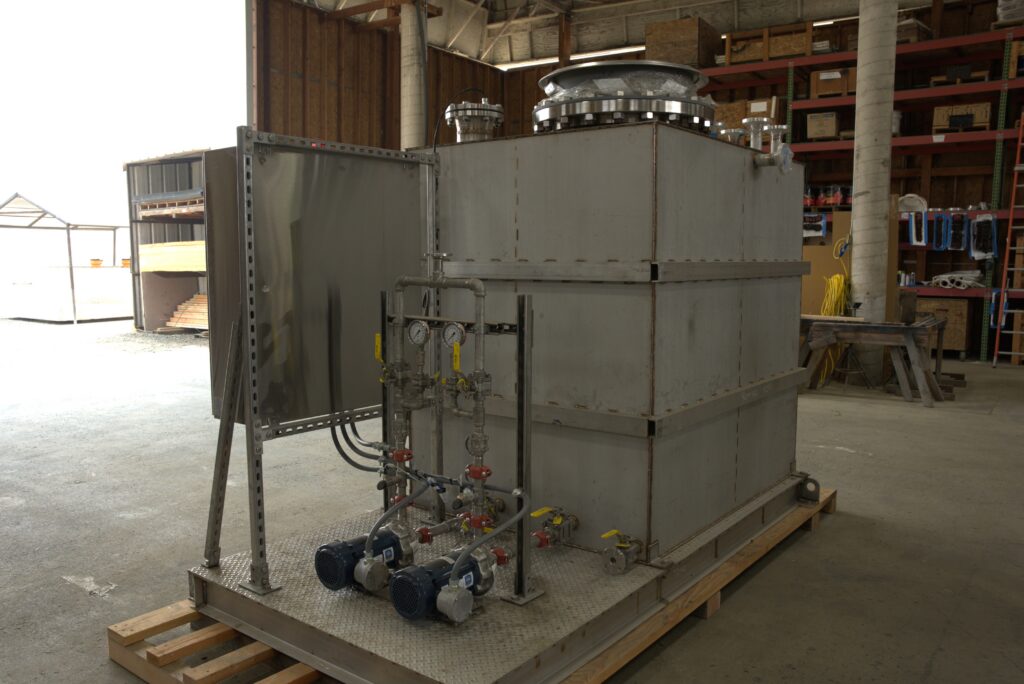
While every project is different, a custom condensate pump skid from Romtec Utilities can include a receiver tank, single or dual pumps, process piping, isolation valves, check valves, controls, level sensing, alarms, instrumentation, and a prewired control panel. Materials and equipment are selected based on flow requirements, total dynamic head, fluid temperature, operating conditions, redundancy needs, owner standards, and local, state, and federal requirements.
These systems can include corrosion-resistant materials, custom piping layouts, communication options, remote monitoring features, and structural skid design tailored to the jobsite or process area. By integrating these components into one package, Romtec Utilities helps reduce field work and improve coordination.
Factory assembly and testing before shipment can further improve installation predictability and reduce startup issues, giving owners more confidence that the system will perform as intended once it reaches the site.
Industrial Applications for Condensate Skid Pumps
These systems are used in a wide range of industrial and institutional settings, including power generation, manufacturing, healthcare campuses, universities, district energy systems, and industrial process facilities. No matter the application, the goal is the same: move condensate reliably so the broader system can operate efficiently and safely.
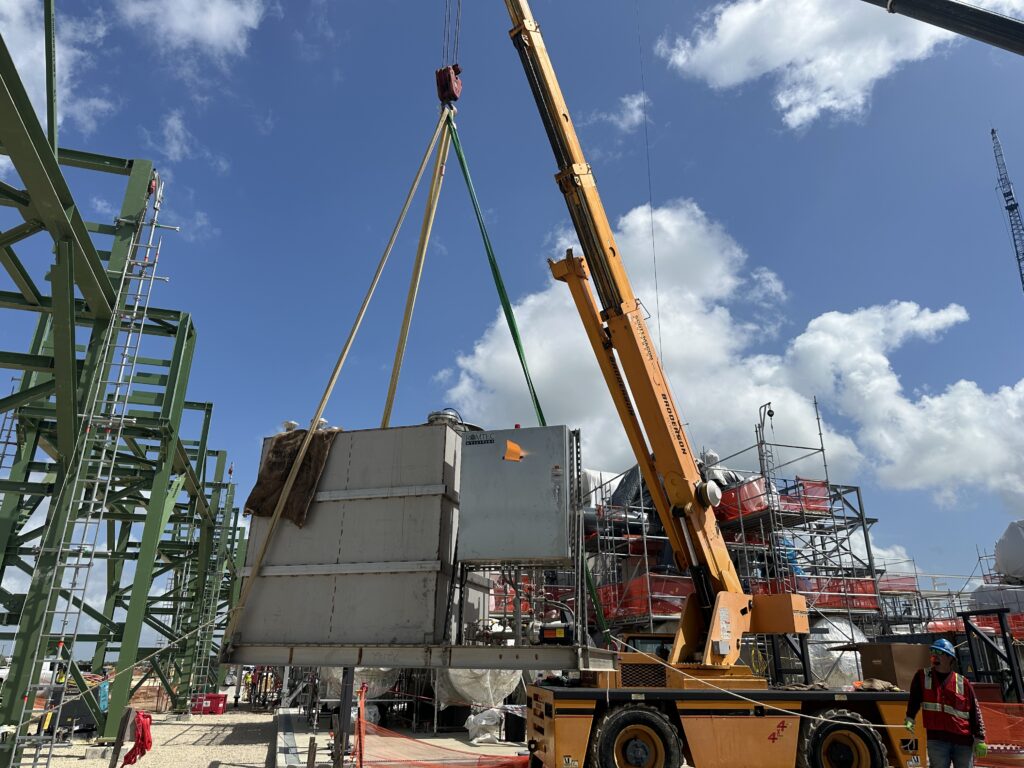
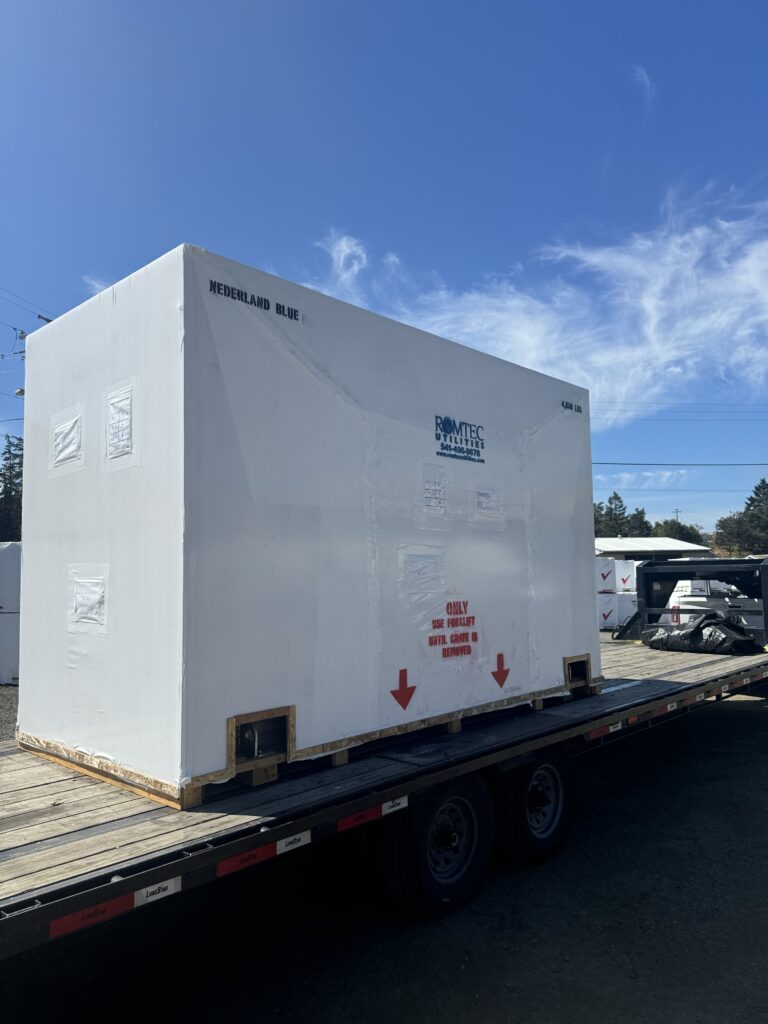
One example is a custom condensate pump skid Romtec Utilities designed for an industrial hydrogen production facility on the U.S. Gulf Coast. The system needed to handle high-temperature condensate service, support plant safety and control requirements, meet project-specific material and documentation standards, and perform reliably in a demanding process environment.
That kind of application shows why custom engineering matters. A standard package may not be enough when service conditions are harsh, controls are specific, or the project has strict performance requirements.
How Romtec Utilities Designs for Performance
Romtec Utilities approaches condensate handling the same way it approaches every packaged pumping project: by starting with the application, the owner’s requirements, and the realities of the site. That process helps deliver a system that is easier to install, easier to operate, and better aligned with long-term performance goals.
The design process can include hydraulic analysis, pump selection, structural and mechanical engineering, control integration, equipment specification, factory assembly, and testing. The result is a condensate skid pump that is better aligned with project goals before it ever reaches the site.
That approach helps owners and engineers reduce vendor coordination, maintain design intent, and receive a package that is easier to install, commission, and maintain over time.
For facilities where uptime, safety, and equipment protection matter, this level of engineering can make a major difference. It helps create a system that supports reliable performance under real operating conditions instead of ideal ones.
Benefits of a Custom Condensate Skid Pump from Romtec Utilities
A custom condensate skid pump from Romtec Utilities offers more than pumping capacity. It gives owners a system designed for reliability, maintainability, and smoother project delivery. When pumps, controls, piping, and fabrication are coordinated through one engineered package, the result is fewer installation surprises, better quality control, and stronger long-term performance.
Key benefits can include better alignment with process duty, reduced field installation risk, simplified startup, easier maintenance access, improved documentation, and more confidence that the system will perform as intended.
For industrial and utility projects where uptime, efficiency, and equipment protection matter, that can make a meaningful difference. Instead of settling for a standard package, owners can invest in a condensate handling system designed to support the way their facility actually operates.
Romtec Utilities does more than assemble components. The company develops complete packaged pumping systems designed around project requirements, owner standards, and long-term operating needs. For facilities that depend on reliable condensate handling, that approach can lead to better performance, easier coordination, and more confidence from installation through operation.