
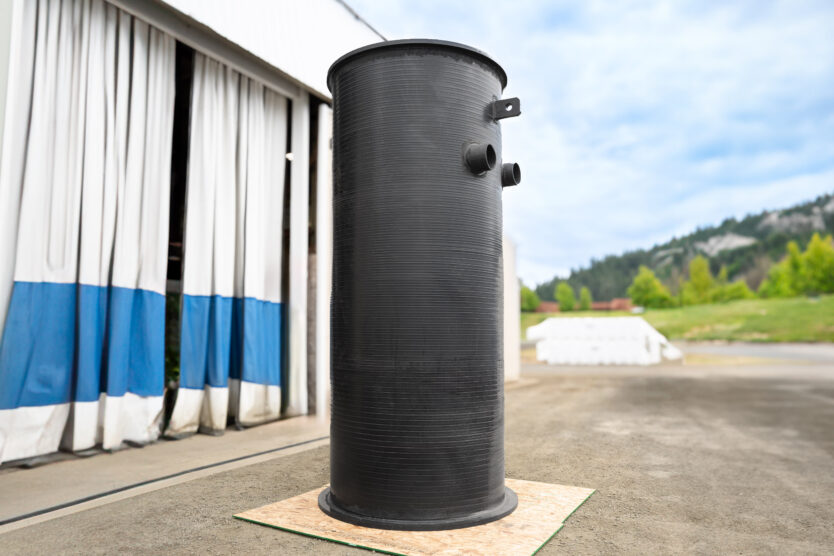
Romtec Utilities designs, manufactures, and supplies custom pumping systems across the United States. These systems serve wastewater, stormwater, industrial water, and clean water applications. For some projects, high-density polyethylene, commonly known as HDPE, is a strong wet well option. It offers corrosion resistance, flexibility, impact strength, and prefabrication advantages. This blog explains how HDPE wet wells can support long-term pump station performance while also making clear that Romtec Utilities can design pumping systems around the wet well material that best fits each project, including concrete, fiberglass, steel, stainless steel, HDPE, and other options.
Material selection is an important part of every pump station. The wet well must support the hydraulic design, site conditions, water type, installation needs, and long-term maintenance goals of the owner. HDPE is not the only wet well material Romtec Utilities can use. However, it is an important option for applications where prefabrication, durability, watertight fabrication, and resistance to corrosive conditions are key priorities.
What Are HDPE Wet Wells in a Pump Station?
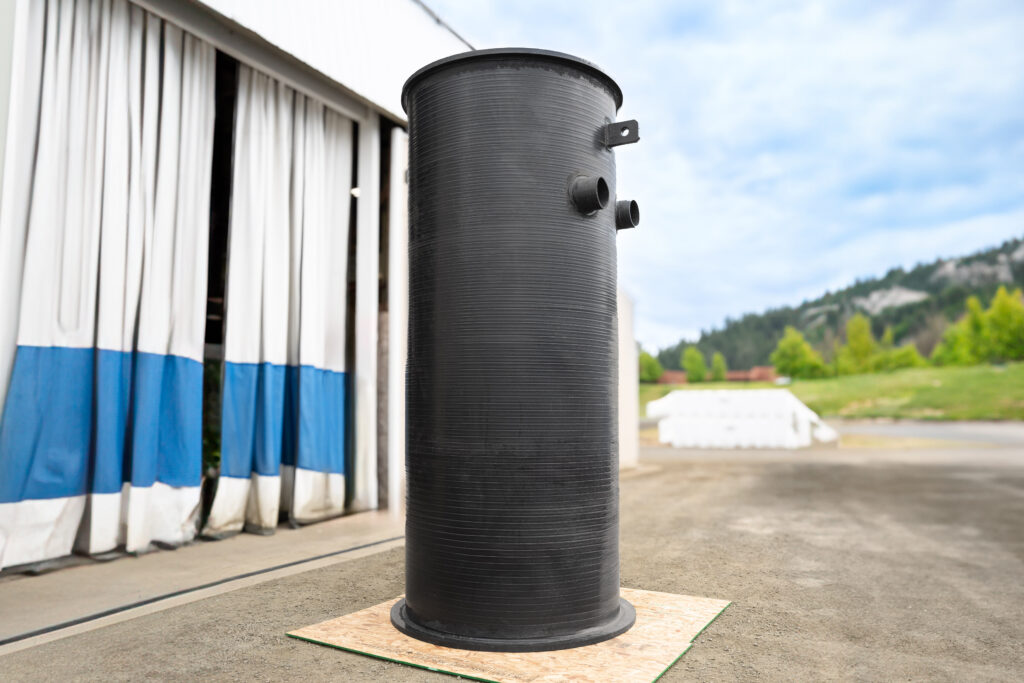
An HDPE wet well uses high-density polyethylene, a durable thermoplastic material, to form the pump station sump. Romtec Utilities may include HDPE wet wells in custom pumping systems when a project needs a lightweight, watertight, and corrosion-resistant structure. High-density polyethylene delivers strong performance without excessive weight. It resists many chemicals, does not absorb water, and has a long history of use in water, wastewater, and natural gas piping. In pumping systems, these same characteristics add value where corrosion, infiltration, and long-term maintenance create major concerns.
Romtec Utilities considers HDPE when a pump station application may benefit from flexibility and impact resistance. Unlike more brittle materials, high-density polyethylene can better absorb handling stress, ground movement, and changing site conditions. That matters for buried infrastructure, where installation conditions, soil movement, groundwater, and long-term loading can all affect system performance.
HDPE, Concrete, Fiberglass, and Other Wet Well Material Options
Romtec Utilities can design pump station systems with precast concrete wet wells, and concrete remains a practical option for many projects. However, concrete can present challenges in corrosive applications. Concrete structures often require coatings, liners, or careful joint treatment to improve watertightness. In wastewater environments, hydrogen sulfide gas can contribute to corrosion when it converts to sulfuric acid on exposed surfaces. The United States Environmental Protection Agency identifies hydrogen sulfide corrosion as a significant concern in wastewater collection and treatment systems.
Romtec Utilities can also design pump stations with fiberglass wet wells when fiberglass is the right fit for the application. Fiberglass has often been used as an alternative to concrete, especially in smaller-diameter applications. Fiberglass can perform well in the right setting, but larger fiberglass structures may be harder to source, more expensive, and less forgiving when field changes are required. Because fiberglass is generally stiffer than high-density polyethylene, severe stress may also make it more vulnerable to cracking or damage.
Benefits of HDPE for Pump Stations
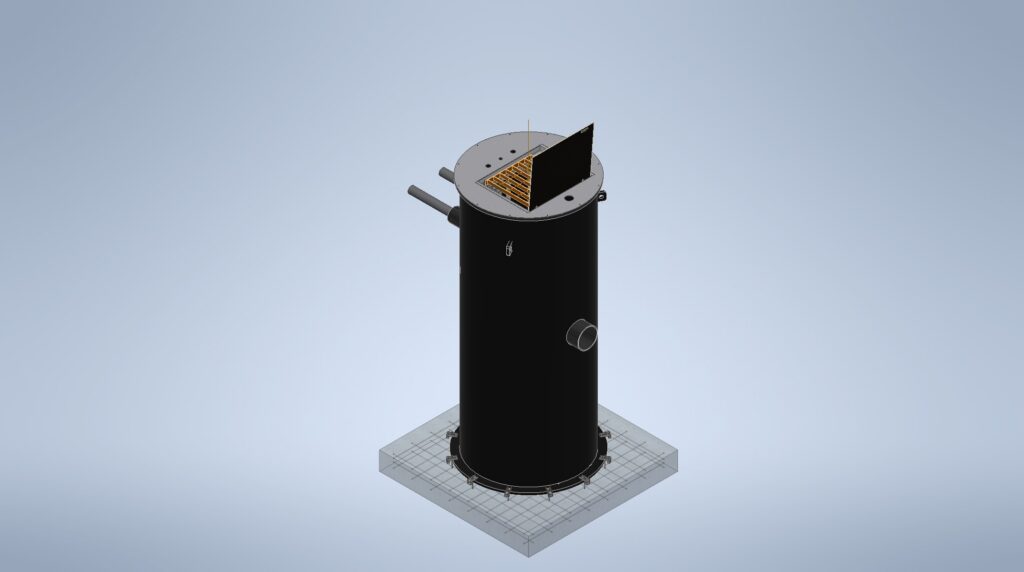
One of the biggest advantages of high-density polyethylene is prefabrication. The material can be cut, fused, and welded with specialized tools. This allows manufacturers such as Romtec Utilities to build highly customized wet wells and related components in a controlled production environment. Inlets, outlets, internal supports, access openings, and other details can be incorporated before the system reaches the jobsite.
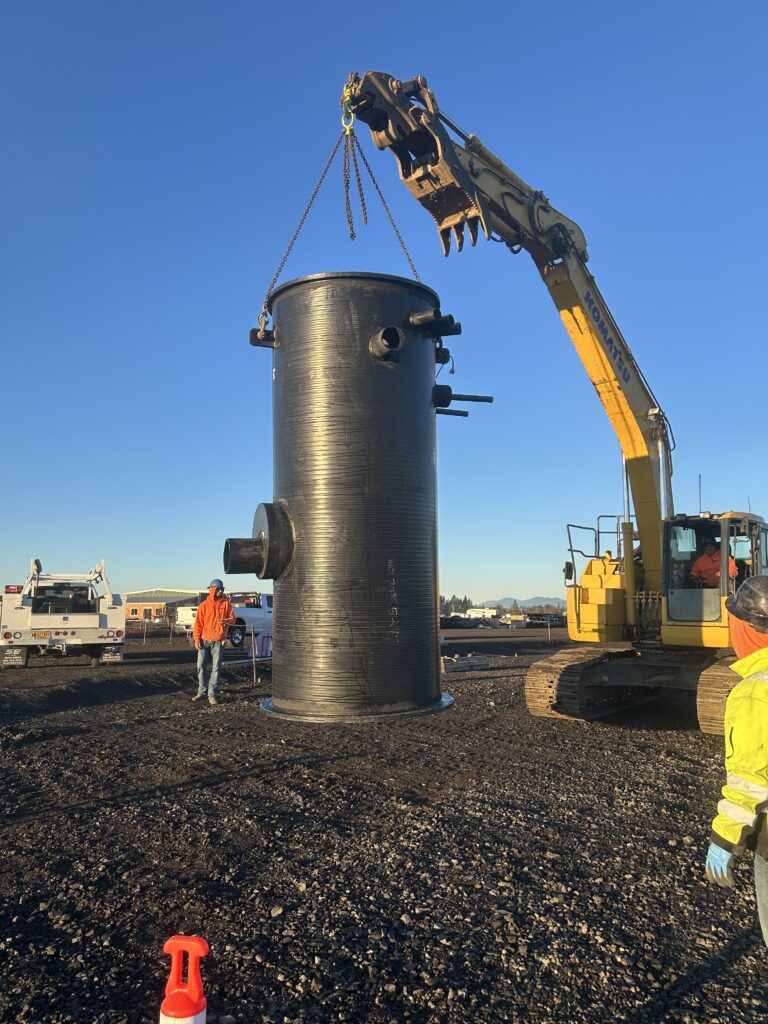
This can create real value for larger wet wells, deeper structures, and site-specific pumping applications. Romtec Utilities can deliver a prefabricated high-density polyethylene wet well ready for placement. This helps reduce field labor, limit time in the excavation, and lower the risk of weather-related delays. On complex sites, those advantages can support a faster and more predictable installation process.
For Romtec Utilities prefabricated pumping systems, high-density polyethylene can also help maintain a watertight structure. By reducing the need for multiple field-sealed joints and resisting many corrosive conditions, the material can help limit infiltration and support long-term reliability. For system owners, that can mean fewer maintenance concerns and a pump station better suited for demanding wastewater, stormwater, and industrial environments.
Why Wet Well Material Selection Matters for Custom Pump Stations
Romtec Utilities designs pump stations as complete systems, not just a wet well and a set of pumps. These systems include hydraulic design, structural considerations, controls, valves, piping, electrical components, access requirements, and long-term maintenance needs. When project teams coordinate more of those details before installation, they can reduce uncertainty and improve system consistency.
For Romtec Utilities, high-density polyethylene is not the only approach to prefabricated pump systems. It is one option within a broader range of wet well materials that can be used to match the needs of the project. When the application is a good fit, HDPE allows Romtec Utilities to integrate critical structural and mechanical features before delivery. That can help owners and contractors reduce project complexity, shorten installation timelines, and improve overall system reliability.
Choosing the Right Material
Romtec Utilities does not treat one wet well material as the default answer for every project. Concrete, fiberglass, steel, stainless steel, HDPE, and other materials can all play important roles in pumping system design. The right choice depends on site conditions, system depth, diameter, water type, loading requirements, budget, schedule, and owner preferences.
When the project is a good match, Romtec Utilities may recommend HDPE wet wells because they offer a compelling combination of corrosion resistance, flexibility, impact strength, watertight fabrication, and prefabrication potential. As infrastructure owners and engineers look for ways to reduce lifecycle maintenance and improve installation efficiency, HDPE is becoming a strategic wet well option for certain wastewater pump stations, stormwater pump stations, and industrial pumping applications.
Romtec Utilities works with engineers, contractors, developers, and public agencies to design site-specific pump station systems for water, wastewater, stormwater, and industrial applications. By evaluating HDPE wet wells alongside concrete, fiberglass, steel, and other wet well material options, Romtec Utilities helps deliver pumping systems that can meet the demands of each project.
Need help choosing the right wet well material for your next pump station project? Romtec Utilities will help compare HDPE, concrete, fiberglass, steel, and other wet well material options to design a custom pump station system that fits your site conditions, water type, schedule, budget, and long-term performance goals.
Connect with Romtec Utilities to discuss your project requirements and explore a site-specific pumping system designed around the needs of your application.