
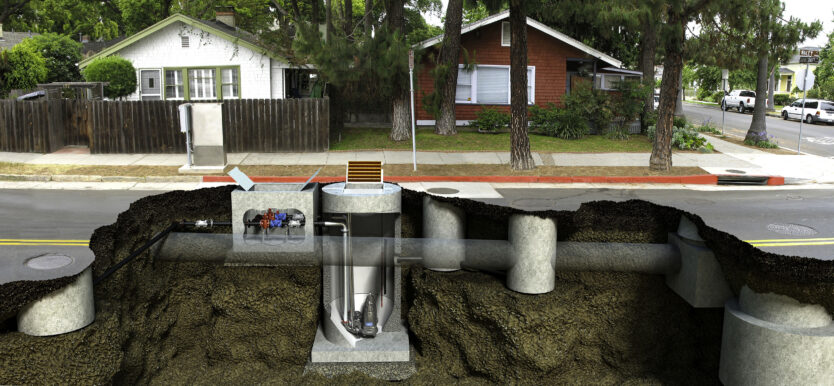
A lift station moves wastewater, stormwater, or other water from a lower elevation to a higher elevation when gravity flow cannot do the job efficiently. These systems support sewer collection, stormwater, and other water infrastructure. They help when site conditions, pipe depth, or elevation changes make gravity-only conveyance impractical.
Municipalities, developers, engineers, and contractors, benefit from understanding this difference early. It can reduce design confusion, improve project planning, and support long-term owner reliability. Romtec Utilities helps make that distinction early by designing custom-engineered packaged pump systems around the hydraulic, electrical, controls, site, and owner requirements of each application.
Quick Answer? What Does a Lift Station Do?
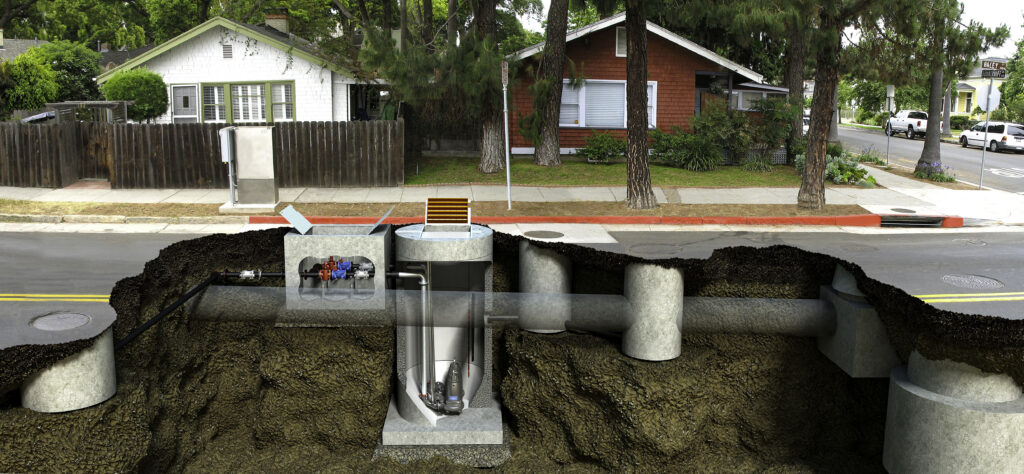
A lift station collects incoming flow in a wet well. It activates pumps when the water reaches a set level. Then it sends the flow through discharge piping to a higher point in the system. From there, gravity can often carry the wastewater or stormwater through the next section.
This process helps avoid excessively deep pipelines, limits impractical excavation, and keeps flow directed toward treatment facilities, discharge points, or downstream infrastructure.
Early design clarity matters on pump station projects. These projects often involve multiple stakeholders, site constraints, and long-term maintenance considerations. Romtec Utilities works with project teams before construction begins to align pump selection, wet well design, controls, telemetry, and system layout before construction begins, helping reduce project risk and support reliable operation after startup.
How Do Lift Stations Support Gravity Sewer Systems?
Most sewer collection systems rely on gravity to carry wastewater through underground pipelines. As pipe networks extend across a community, each line gradually slopes downward. Over time, the pipe may become so deep that further excavation is no longer cost effective or practical.
At that point, the pumping system receives the incoming flow and pumps it upward. It then discharges the flow into another pipeline. Gravity can take over again from there. This cycle may repeat throughout a collection system, especially in flat communities where wastewater and stormwater cannot rely on natural grade changes.
Large, low-grade service areas may need hundreds or even thousands of lift stations to convey wastewater reliably to treatment facilities. These systems often operate out of sight, but they protect public health, prevent backups, and support community growth.
Why is the Term “Lift Station” Often Misused?
Over time, “lift station” has become a catch-all phrase for many pumping systems that start and stop based on the level of water in a wet well, basin, or sump. However, not every system that uses level controls is simply lifting water back to grade.
Some systems pump water long distances through force mains. Others overcome major elevation changes, manage stormwater runoff, move industrial process water, or distribute clean water. These applications may use similar components. However, their hydraulic requirements, controls, materials, and operating goals can be much more complex than a traditional lift station.
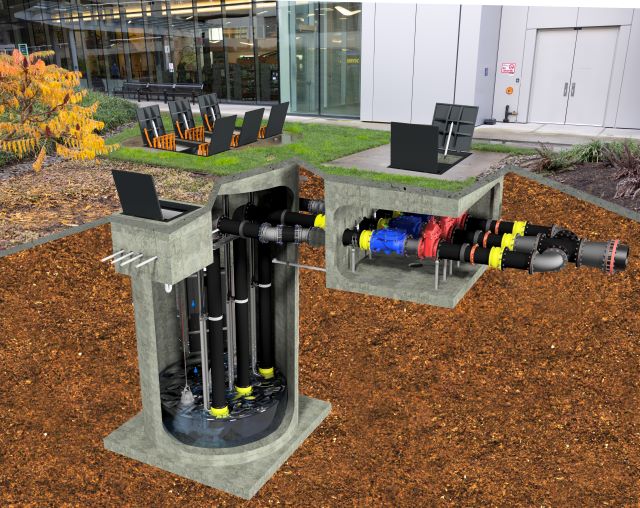
That is why Romtec Utilities often uses the broader term “pumping system.” It more accurately describes a complete engineered solution that integrates the wet well, pumps, piping, valves, electrical equipment, lift station controls, telemetry, and communication systems. Together, these components create one site-specific package.
What Components Are Included in a Lift Station?
A lift station typically includes several major components that function as one system. The wet well stores incoming flow until it reaches a set level. Level sensors or floats then activate the pumps, which direct water through discharge piping and valves. The control panel manages pump operation, alarms, and system communication.
Depending on the project, a lift station may also include backup power, odor control, flow monitoring, valve vaults, access hatches, safety features, and remote telemetry. These details matter because each site has different flow rates, elevation changes, water quality, maintenance needs, ownership requirements, and regulatory standards.
What is the Difference Between a Lift Station and a Packaged Pump Station?
A packaged pump station delivers a complete, engineered pumping system as an integrated package. In addition to wastewater it can also support stormwater pumping, industrial wastewater handling, booster pumping, clean water movement, and process water systems.
This distinction matters during design. A lift station raises flow to support gravity conveyance. A packaged pump station coordinates structural, mechanical, electrical, controls, and communication components into one project-specific solution.
For engineers, contractors, developers, and owners, this integrated approach simplifies coordination, reduces project risk, and helps ensure the pump station fits actual site conditions instead of a one-size-fits-all product. It also supports clearer submittals, smoother construction, and better long-term operation for the owner.
Common Lift Station and Pumping System Applications
Lift stations and packaged pump stations are used across many infrastructure applications. Common examples include municipal wastewater collection, residential and commercial developments, stormwater drainage, industrial wastewater systems, water reuse, booster pumping, and utility infrastructure serving schools, parks, manufacturing sites, and public facilities.
Each application requires different flow rates, head pressure, wet well sizing, pump selection, controls, materials, maintenance access, and communication. Because of those differences, project teams should design lift stations for both current demand and future operating conditions.
How Romtec Utilities Designs Pumping Systems for Real-World Conditions
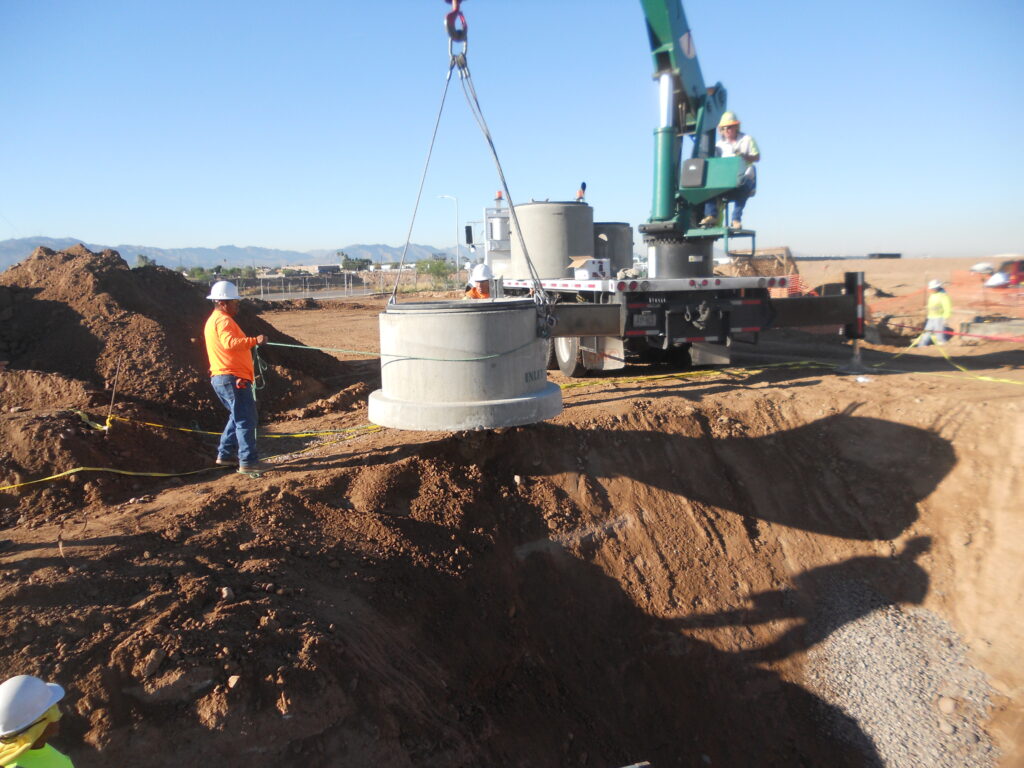
Romtec Utilities designs, manufactures, and supplies custom-engineered packaged pump systems, lift stations, and complete pumping systems for all water applications. Each project begins with the site conditions, system requirements, and long-term operating goals. From there, Romtec Utilities develops a site-specific solution that supports engineering, construction, startup, and reliable owner operation over time.
Whether a project needs a traditional sewer lift station or a more complex pumping system, the goal is the same: safe, efficient, and reliable water movement. Bring Romtec Utilities into the conversation early to define the right system, reduce complexity, and move forward with a complete packaged pump station solution designed for the job.
Is a lift station the same as a pump station?
A lift station is a type of pump station that lifts flow to a higher elevation so gravity can continue moving it. A pump station is a broader term that can include systems for wastewater, stormwater, clean water, industrial water, and booster applications.
What is the difference between a lift station and a force main?
A lift station pumps water or wastewater, while a force main is the pressurized pipeline that carries the pumped flow away from the station.
Why do communities need lift stations?
Communities need lift stations when gravity sewer lines become too deep, too flat, or too costly to continue by gravity alone. Lift stations reduce excavation challenges and help move wastewater or stormwater through the system reliably.
What should project teams consider when designing a lift station?
Project teams should consider flow rates, elevation changes, wet well capacity, pump selection, valve configuration, electrical service, controls, telemetry, backup power, maintenance access, safety requirements, and owner standards.