

Los Angeles, California – Water Treatment Pump Station
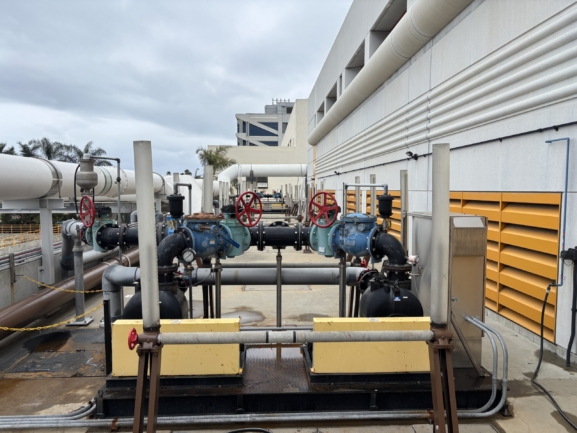

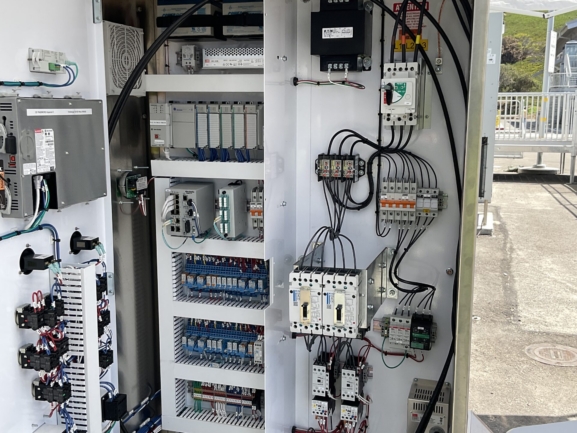

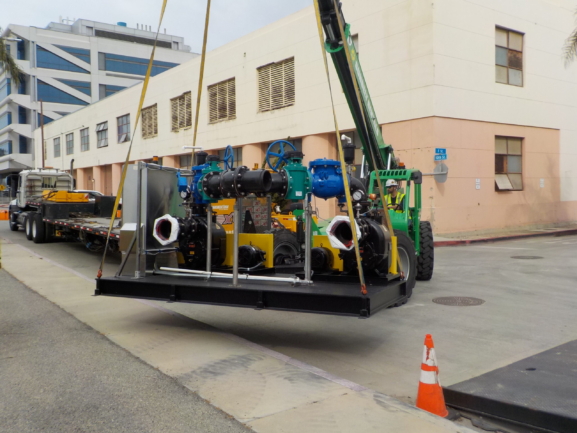

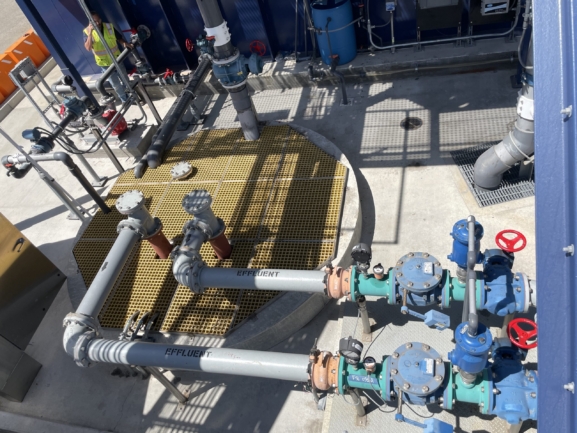

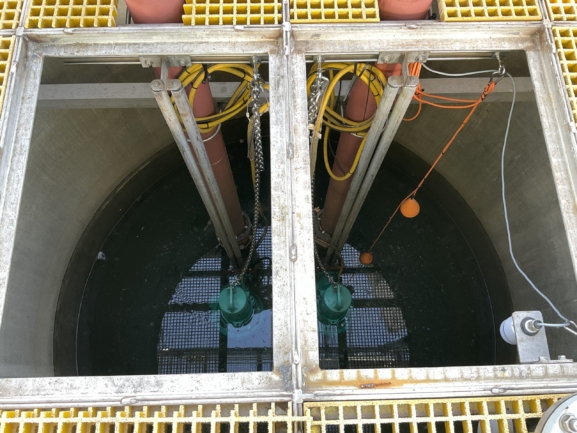

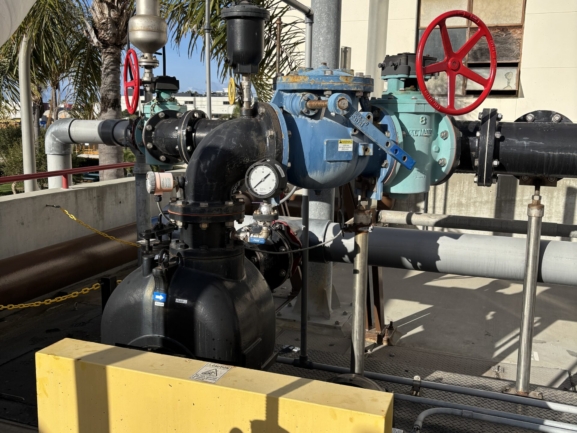

Romtec Utilities designed, manufactured, and supplied a water treatment pump station as part of the Hyperion Water Reuse and Resiliency Program in Los Angeles, California. This major initiative focuses on increasing the use of purified recycled water while creating a more resilient local water supply for the City of Los Angeles. The project supports long-term goals to reduce reliance on imported water while expanding groundwater replenishment and water reuse capabilities.
Romtec Utilities worked with Stantec and Evoqua Water Technologies (now part of Xylem) to provide a water treatment pump station consisting of a wastewater lift station and two self-priming pump skids. While these systems represent a small portion of the overall project, they play an important role in demonstrating treatment technologies that could help shape the future of Los Angeles’ water infrastructure.
Hyperion Water Reclamation Plant
The Hyperion Water Reclamation Plant is one of the largest wastewater treatment facilities in the United States. It serves millions of residents throughout the Los Angeles region. As part of the Hyperion Water Reuse and Resiliency Program, the Los Angeles Department of Water and Power is working with regional partners to maximize the production of purified recycled water and replenish local groundwater basins.
The program helps Los Angeles recycle treated wastewater for reuse. It also reduces dependence on imported water supplies affected by drought, climate change, earthquakes, and other disruptions. Long-term planning efforts indicate that the program could eventually provide a substantial portion of the city’s water demand through local groundwater replenishment.
This broader effort created the need for advanced treatment infrastructure, including the water treatment pump station equipment supplied by Romtec Utilities.
Advancing Water Reuse Technology
The project supports a membrane bioreactor pilot facility developed to evaluate advanced water treatment technologies for future potable reuse applications. Membrane bioreactor systems combine biological treatment with membrane filtration to improve water quality and remove contaminants from wastewater.
Project partners established the pilot facility to evaluate treatment performance, demonstrate pathogen removal, compare equipment technologies, and develop design criteria for future full-scale water reuse facilities. The data gathered from the program will help guide future decisions regarding advanced water treatment at Hyperion.
As part of these efforts, Romtec Utilities supplied water reuse pump station infrastructure that supports the movement and management of water throughout the pilot system.
Water Treatment Pump Station Design
The water treatment pump station portion of the project included one wastewater lift station and two self-priming pump skids that support pilot facility operations.
Romtec Utilities worked closely with Stantec during project development to assist with preliminary design, pump sizing, and specification development. This early collaboration helped ensure the systems met the operational needs of the facility and were properly incorporated into the project bid documents.
Key project components included:
- Wastewater lift station
- Two self-priming pump skids
- Site-specific pumping system design
- Integration with the membrane bioreactor pilot facility
- Support for advanced water treatment operations
Evoqua Water Technologies purchased the systems from Romtec Utilities after the project went through competitive bidding and award. By working closely with both the engineer and equipment supplier, Romtec Utilities helped align the pumping systems with the broader treatment goals of the facility.
Managing a Complex Infrastructure Project
One challenge of this water treatment pump station project was that it was one component of a much larger regional infrastructure initiative involving multiple agencies, consultants, contractors, and technology providers.
The Hyperion Water Reuse and Resiliency Program includes large-scale planning for groundwater replenishment, recycled water treatment, and future distribution infrastructure. The pumping systems supplied by Romtec Utilities needed to integrate smoothly into this larger framework while supporting pilot facility objectives.
Another consideration was coordinating design requirements among multiple stakeholders while ensuring the equipment met operational, performance, and schedule expectations.
Because the project involved advanced treatment technologies and pilot operations, careful equipment selection and engineering coordination were essential throughout the process.
From Design to Bid-Ready Water Treatment Pump Systems
Romtec Utilities addressed these requirements by working closely with Stantec during the early phases of project development.
The team assisted with sizing, preliminary design development, and specification preparation to ensure the systems would function properly within the pilot facility. By getting involved early in the process, Romtec Utilities helped create bid-ready solutions that the project team could incorporate into the overall design.
After Evoqua Water Technologies received the project award, Romtec Utilities continued supporting the effort by supplying the equipment and coordinating delivery requirements. This collaborative approach helped streamline implementation and ensured the pumping systems met project expectations.
The project team received a set of specialized pumping systems designed to support one of the most significant water reuse initiatives underway in Southern California.
Project Partners for the Water Treatment Pumping System
Several organizations collaborated on this project to support the future of water reuse in Los Angeles:
- Owner: Los Angeles Department of Water and Power
- Engineer: Stantec
- Equipment Supplier: Evoqua Water Technologies
- Regional Water Partners: Los Angeles Bureau of Sanitation, Water Replenishment District of Southern California, Metropolitan Water District of Southern California, and other regional agencies involved in the Hyperion program.
Through this collaborative effort, the project team combined engineering, treatment technology, and utility expertise to support future water resiliency goals.
Conclusion
The Hyperion project demonstrates how a water treatment pump station can support larger efforts to improve water resilience and sustainability. While the lift station and pump skids represent only a portion of the overall program, they contribute to a pilot facility that will help guide future recycled water and groundwater replenishment projects.
By working with Stantec, Evoqua Water Technologies, and the Los Angeles Department of Water and Power, Romtec Utilities supplied infrastructure that supports advanced treatment research and future water reuse objectives. Projects like this highlight the important role pumping systems play in creating reliable, local water supplies for growing communities.