

Plaquemine, Louisiana – Industrial Pump Systems




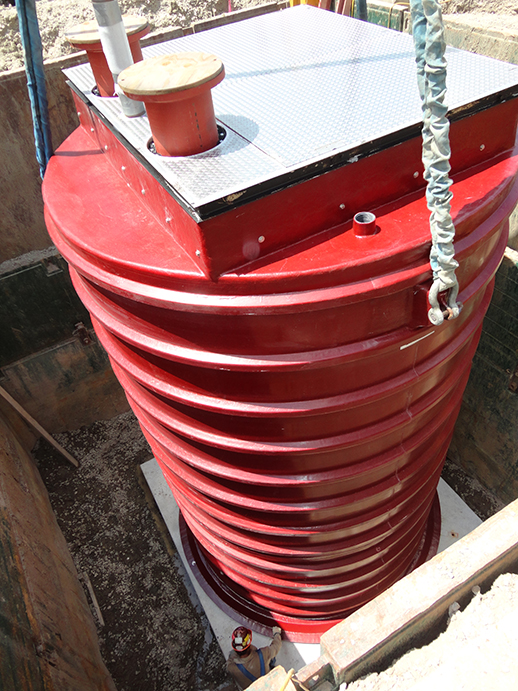

Romtec Utilities designed and supplied industrial pump systems for the Dow Chemical facility in Plaquemine, Louisiana. The project included a stormwater pump station and a wastewater lift station that support operations at one of the region’s largest chemical manufacturing facilities.
Because of the site’s industrial environment, both systems use fiberglass wet wells for corrosion resistance and leak detection. Romtec Utilities worked closely with the owner to develop pumping solutions that address the site’s stormwater and wastewater needs while supporting long-term reliability and maintenance goals.
Dow Chemical and the Plaquemine Facility
Plaquemine is located along the Mississippi River in southern Louisiana, just south of Baton Rouge. The city has a strong industrial presence and serves as an important center for manufacturing and petrochemical production.
The Dow facility in Plaquemine is one of the largest industrial sites in the state and a major employer in the region. The facility manufactures products used in industries ranging from consumer goods to energy and agriculture.
Its large campus, extensive infrastructure, and exposure to heavy rainfall and storm events, the facility requires dependable stormwater and wastewater management systems. These demands made industrial pump stations a key part of the site’s infrastructure improvements.
Supporting Water Management through Industrial Pump Systems
The project included two separate systems designed for different purposes. The first was a high-capacity stormwater pump station designed to manage runoff from the facility during major storm events. The second was a replacement wastewater lift station intended to improve reliability and reduce maintenance requirements.
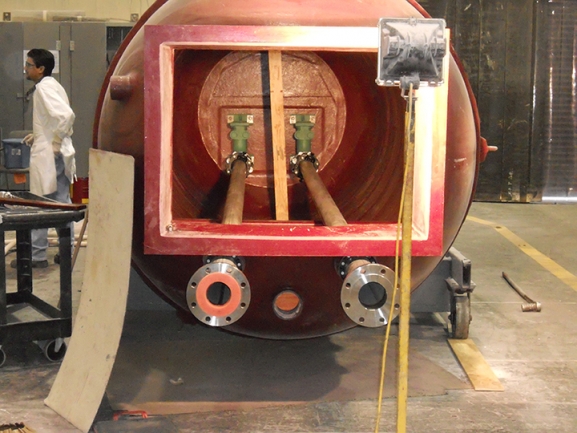
Both systems feature fiberglass wet wells. Fiberglass construction provides excellent resistance to corrosion and chemical exposure, making it well suited for industrial applications where wastewater and stormwater may contain materials that can damage conventional structures.
The use of fiberglass also supports leak detection requirements and helps improve the long-term durability of the systems.
Industrial Stormwater and Wastewater Pump System Design
The stormwater system was designed as a fiberglass stormwater pump station capable of handling significant flow volumes generated by rainfall across the facility.
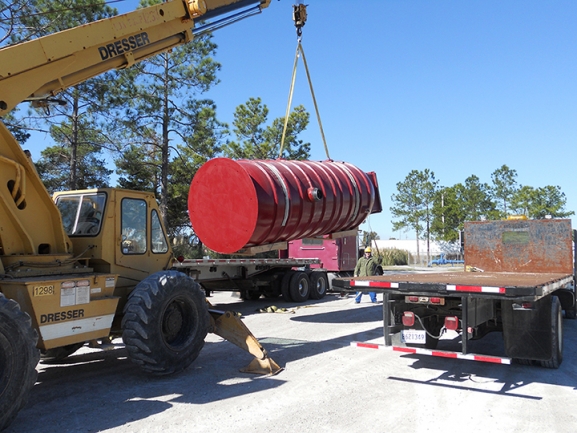
A large fiberglass wet well was supplied with major equipment preinstalled to simplify installation and reduce field construction time. The system utilizes submersible Flygt centrifugal pumps designed to handle industrial stormwater conditions and potential suspended hydrocarbons.
Key stormwater system features include:
- 10-foot diameter fiberglass wet well
- 12-inch discharge piping
- Programmable control panel
- Ultrasonic level sensing
- Float backup controls
- Prefabricated installation package
The completed stormwater station is capable of pumping up to 8,500 gallons per minute at a total dynamic head of 32 feet.
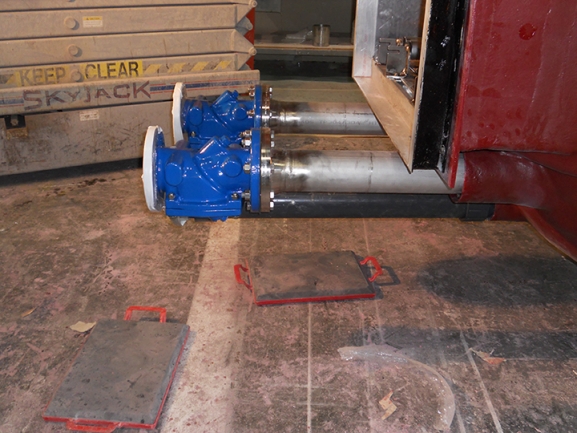
The wastewater system was designed as a replacement fiberglass wastewater lift station to upgrade an aging installation at the facility. The packaged system was delivered with mounting hardware, discharge piping, pumps, and valve assemblies already installed.
Key wastewater system features include:
- 6-foot diameter fiberglass wet well
- Duplex Vaughan pump configuration
- Outdoor control panel
- Float level controls
- Auto dialer communications system
- Preassembled valve system
The wastewater lift station can pump up to 350 gallons per minute at 90 feet of total dynamic head.
Project Challenges
These industrial pump stations were designed for a demanding chemical manufacturing environment where reliability and corrosion resistance were critical considerations.
One challenge involved selecting materials capable of withstanding long-term exposure to wastewater conditions and industrial processes. Traditional structures can experience deterioration over time, making material selection an important part of the design.
Another consideration was minimizing installation complexity. Because the facility operates continuously, reducing field labor and construction time was an important goal. Delivering systems with major components preassembled helped simplify installation and reduce disruption to operations.
The stormwater system also needed to manage very large flow volumes associated with severe weather events common to southern Louisiana.
Engineering Approach and Solution to Industrial Pump Systems
Romtec Utilities addressed these requirements with prefabricated industrial pumping systems and corrosion-resistant fiberglass structures.
Both pump stations were designed with fiberglass wet wells to provide chemical resistance, leak detection capabilities, and long-term durability. Major piping, valves, and mechanical components were installed before shipment to reduce installation time and improve quality control.
For the stormwater system, high-capacity pumps were selected to manage large rainfall events and support facility flood resilience. For the wastewater system, the replacement design focused on improving reliability while reducing maintenance requirements associated with older equipment.
By providing complete packaged systems, Romtec Utilities helped streamline installation and deliver dependable pumping infrastructure for the facility.
Conclusion
The Plaquemine project demonstrates how industrial pump stations can improve both stormwater and wastewater management at large manufacturing facilities.
By supplying a high-capacity stormwater pump station and a replacement wastewater lift station, Romtec Utilities helped improve reliability and reduce maintenance concerns, and support long-term operations. The use of fiberglass wet wells provides corrosion resistance and durability that are well suited for chemical manufacturing environments.
This project highlights how customized pumping solutions can be designed to meet the unique requirements of industrial facilities while providing dependable long-term performance.