

Hastings, Nebraska- Biogas Wastewater Lift Station
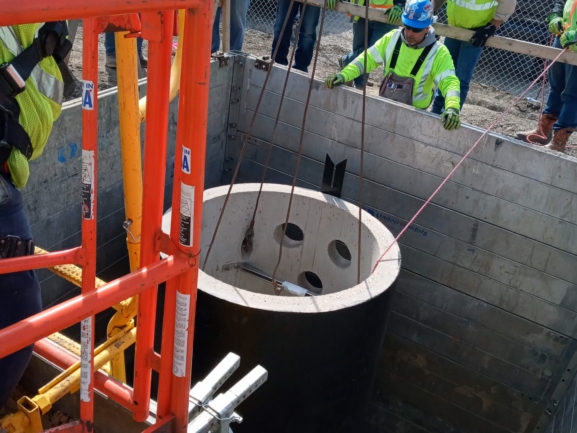

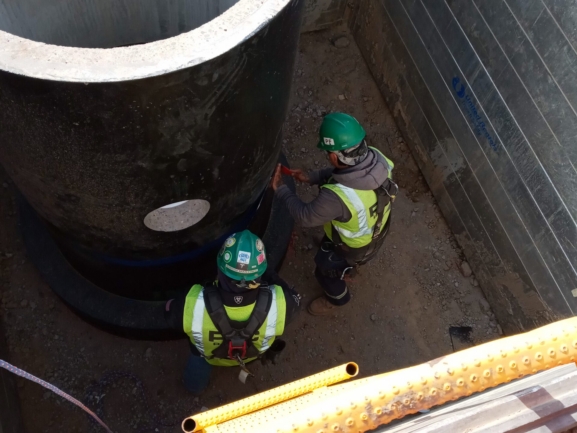

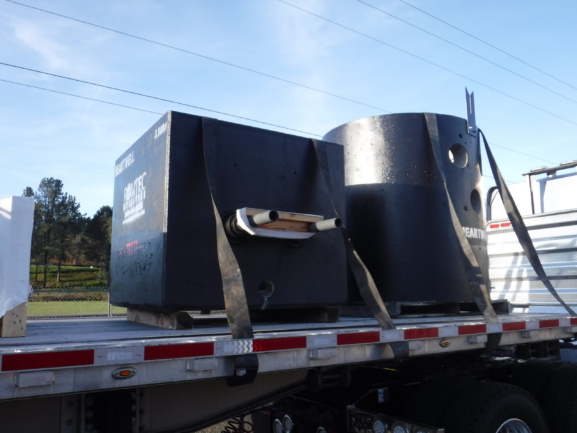

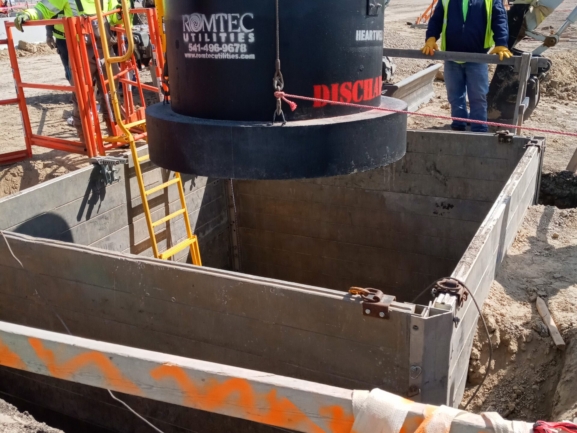

Romtec Utilities designed, manufactured, and supplied a reliable biogas wastewater lift station for the Heartwell Renewables renewable diesel facility. The renewable fuel production facility is being built east of Hastings, Nebraska. The site needed a complete lift station package for sanitary wastewater and long-term operation.
The project involved several engineering, construction, and procurement partners. Therefore, the lift station had to meet clear performance requirements. It also had to move through a detailed review process. Romtec Utilities simplified the process with a complete system design, equipment package, and review documentation.
Project Location: Hastings, Nebraska
Hastings is located in south-central Nebraska. The city supports agriculture, manufacturing, transportation, and food processing. Hastings is within two hours of Lincoln, Nebraska, and about three hours of Omaha, Nebraska. In addition, the city is near major highways that help local industries reach regional and national freight networks.
Because of these advantages, Hastings was a strong fit for a renewable fuel production facility. The region offers agricultural resources, industrial activity, and access to key transportation routes. In turn, the Heartwell Renewables wastewater lift station supports the larger energy project by helping manage wastewater from the site.
Biogas Facility Background
Heartwell Renewables is a renewable diesel production facility east of Hastings. The project was first developed as a joint venture between Love’s Family of Companies and Cargill. Later, Love’s assumed full ownership of the project. However, Cargill remained involved as a feedstock provider. Once operational, the facility is expected to produce up to 80 million gallons of renewable diesel each year.
Renewable diesel can replace traditional diesel fuel without blending. It is made from feedstocks such as animal fats, used cooking oils, and vegetable oils. Large facilities like Heartwell Renewables need dependable wastewater infrastructure to support daily operations, maintenance, and environmental compliance.
Biogas Wastewater Lift Station Design Requirements
Romtec Utilities designed the system around the project data sheet and specified performance requirements. At the start of design, final site plans were not available. Therefore, Romtec Utilities used the provided flow, head, and equipment requirements. This approach helped the team develop the lift station package while the site layout continued to evolve.
The wastewater lift station was designed for a peak inflow of 32 gallons per minute and a total dynamic head of 67 feet. These values helped define the wet well size, pump selection, control elevations, and discharge system. Romtec Utilities also documented the design assumptions clearly so the project team could review the system with confidence.
Project Challenge: Industrial Review and Evolving Site Conditions
Industrial wastewater projects often require detailed coordination. This project included multiple stakeholders, technical bid documents, and a structured submittal process. Romtec Utilities provided clear information about the lift station equipment, hydraulic performance, materials, controls, and maintenance features.
The evolving site design added another challenge. The final discharge location was still being refined. The force main route was also still developing. Together, these factors can affect pump performance and system layout. As a result, Romtec Utilities designed the station around the available criteria and clearly listed the design assumptions.
Romtec Utilities’ Biogas Wastewater Lift Station Solution
Romtec Utilities supplied a complete duplex wastewater lift station for the Heartwell Renewables facility. The system includes:
- a 4-foot-diameter precast concrete wet well
- a 2,300-foot force main connection
- 208-volt, three-phase power
- an integrated control system
- two Keen submersible grinder pumps in a duplex arrangement
- a valve vault and control system
Each pump is rated at 2 horsepower. Each pump can also meet the required duty point on its own. Therefore, the duplex design adds redundancy. One pump can operate while the other remains available as a backup. In addition, grinder pumps help manage solids in wastewater, which makes them a strong fit for industrial applications.
The wet well includes multiple control elevations for pump operation. These include pump stop, lead pump start, lag pump start, and high-water alarm levels. The station also includes stainless steel guide rails, quick-connect discharge elbows, and a galvanized vent system. These features support safe maintenance and dependable operation over the life of the facility.
The valve vault houses the discharge piping components. These components include check valves, isolation valves, and pressure monitoring equipment. The vault protects the mechanical equipment. It also gives maintenance teams safe access when service is needed.
The electrical package includes a stainless steel control panel built for duplex pump operation. The panel also includes an alternator controller. This controller helps balance run time between the two pumps. As a result, it can reduce wear and extend equipment life.
The control system includes motor protection, phase monitoring, surge protection, elapsed time meters, alarm functions, telemetry contacts, and safe float controls. These features help operators monitor the lift station. They also help teams respond quickly to changing site conditions.
Supporting Renewable Energy Infrastructure
Renewable energy facilities rely on strong utility infrastructure. Wastewater lift stations move wastewater from low points on a site to treatment or discharge points. For industrial facilities, these systems must be reliable, easy to maintain, and designed for the site’s operating conditions.
For Heartwell Renewables, Romtec Utilities provided a lift station package with strong hydraulic performance. It also included durable materials, operational flexibility, and clear engineering documentation. By working within the project’s review and procurement process, Romtec Utilities supported critical wastewater infrastructure for a major renewable diesel facility in Nebraska.
Project Partners for the Biogas Wastewater Lift Station
The Heartwell Renewables project brought together several organizations with different roles. Heartwell Renewables served as the facility owner and end user. Worley provided engineering services for the greenfield renewable fuels plant. Black & Veatch supported equipment procurement and contracting for the lift station package. Meanwhile, Romtec Utilities designed and supplied the complete wastewater lift station system. The package included the wet well, grinder pumps, valve vault, controls, and related equipment.
Reliable Wastewater Pumping for Industrial Facilities
The Heartwell Renewables wastewater lift station was designed to protect equipment and support dependable wastewater management. The wet well sizing limits pump starts and provides active storage volume for efficient pump cycling. With a 40-gallon active volume and carefully selected control elevations, the system supports reliable operation for the industrial site.
The station also includes telemetry-ready contacts for connection to facility monitoring systems. Operators can receive notifications for high-water alarms, pump failures, seal failures, pump run status, and power interruptions. These monitoring features support proactive maintenance and help reduce downtime.
Romtec Utilities designs custom wastewater lift stations around real site needs. These systems can support renewable energy, food processing, industrial manufacturing, municipal infrastructure, and more. For Heartwell Renewables in Hastings, Nebraska, Romtec Utilities delivered a complete wastewater pumping system built for long-term performance, maintenance access, and operational reliability. Contact Romtec Utilities to discuss a custom wastewater lift station for your industrial, municipal, or renewable energy project.