

Warrenton, Oregon, Wastewater Lift Station Retrofit
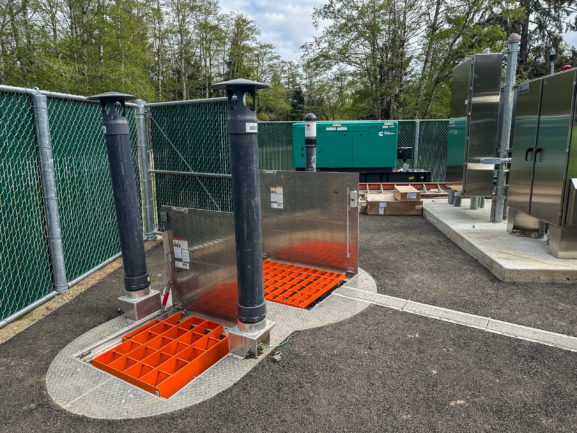

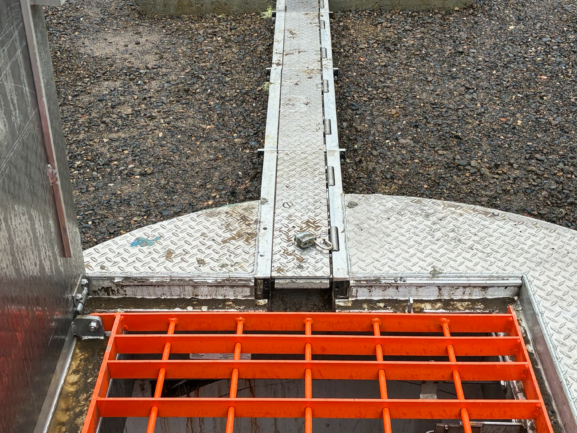

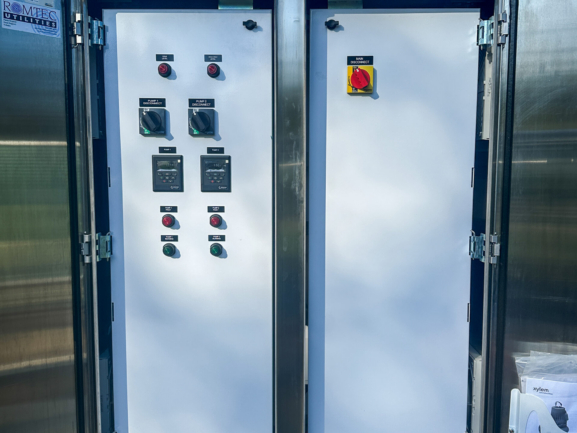

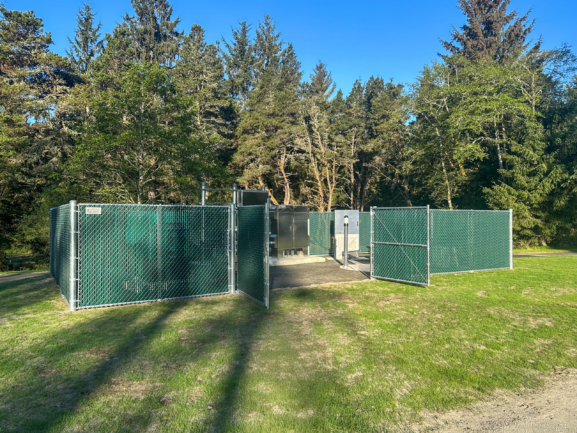

Romtec Utilities delivered a wastewater lift station retrofit for Fort Stevens State Park, helping modernize a key piece of public wastewater infrastructure on the Oregon Coast. As a national provider of engineered pump station solutions, Romtec Utilities supported Oregon State Parks’ effort to improve park utilities with a complete equipment package built around reliability, maintainability, and long-term performance.
The existing lift station had been installed years earlier but had never been placed into service. Before the system could support current operating needs, it required a detailed review, field verification, updated equipment, and coordinated design support. KPFF Portland brought in Romtec Utilities to provide a single-source equipment package with engineered plans, specifications, pumps, controls, and related components for the bid documents.
Rather than replacing the full system, Romtec Utilities helped develop a targeted retrofit approach that made practical use of existing infrastructure. The existing wet well and force main remained in place, while critical mechanical, electrical, and control components were replaced. This approach reflects Romtec Utilities’ focus on delivering pump station solutions that fit the site, meet project requirements, and support dependable operation after installation.
Wastewater Infrastructure Upgrades for Fort Stevens State Park
Fort Stevens State Park is one of Oregon’s largest public campgrounds and a major recreation destination near the mouth of the Columbia River. With camping, trails, beach access, historic sites, and year-round visitors, the park depends on reliable utility infrastructure to support daily operations and public use.
For public parks and recreation facilities, wastewater systems play an essential role in protecting public health, supporting staff and visitor needs, and reducing operational risk. A dependable lift station helps move wastewater safely and efficiently, especially when gravity flow alone cannot serve the site.
At Fort Stevens State Park, the goal was to turn an installed but unused lift station into a functional part of the park’s wastewater infrastructure.
Wastewater Lift Station Retrofit Scope
Romtec Utilities developed a complete supply and design submittal package for the lift station retrofit. The package gave the project team one coordinated source for system components, design assumptions, operating requirements, mechanical and electrical plans, product data, and supporting calculations.
The retrofit package included:
- New pumps
- New discharge piping
- Pre-assembled valve vault components
- Guide rail systems
- Level sensing equipment
- Advanced control panel integration
Romtec Utilities designed the system around criteria from the project engineer so the final equipment package matched site conditions, owner standards, and operating requirements. Because the lift station was an existing installation that had never been commissioned, the design process required the type of field-aware coordination and pump station experience that Romtec Utilities brings to retrofit projects.
Field verification was an important part of the retrofit. When existing infrastructure is reused, confirmed measurements help reduce installation issues, support a smoother startup process, and keep the engineered equipment package aligned with actual site conditions.
Fort Stevens Lift Station System Details
The Fort Stevens lift station retrofit was designed around the park’s hydraulic, electrical, and operational requirements.
Hydraulic requirements included:
Existing wet well specifications included:
- 6-foot inner diameter wet well reused in the retrofit configuration
- 75 gallons of active storage volume
- Maximum 12 pump starts per hour for controlled cycling
- Peak inflow of 214 gallons per minute
- Single-pump capacity of 223 GPM
- Total dynamic head of 83 feet
- Static head of 24.1 feet
- Existing 4-inch HDPE DR17 force main
These requirements helped Romtec Utilities engineer the equipment package around the existing infrastructure while improving reliability, maintenance access, and serviceability.
Pump equipment included:
The duplex pump configuration helps support reliable wastewater conveyance while balancing pump wear during normal operation.
- Duplex Flygt NP3127SH submersible pumps
- 11-horsepower pump rating
- Duty point of 214 GPM at 83 feet TDH
- Stainless steel guide rail system for maintenance access
- Quick-connect discharge elbows and discharge piping
- Pressure transducer and float-based level sensing
The valve vaults included check valves, isolation valves, and air release valves to support flow control, maintenance access, and system protection.
Controls and monitoring included:
- SmartRun variable frequency drives for efficient pump operation
- 230-240V single-phase power configuration
- SCADA connectivity through an Avensor modem for real-time monitoring
- Redundant alarms and level sensing for system protection
The control panel was designed to align with Oregon Parks and Recreation Department standards, helping simplify long-term operation and maintenance.
Operational features included:
- Automated pump cycling based on wet well levels
- Alternating lead-lag operation to balance wear
- Dual-pump operation during peak inflow conditions
- Integrated alarms and manual override capabilities
Together, these features support dependable wastewater conveyance, easier maintenance, and reduced wear on the pump system.
Project Challenge: Retrofitting an Existing, Uncommissioned Lift Station
A wastewater lift station retrofit is different from a new construction project. Instead of starting with a clean slate, the design team must work around existing structures, field conditions, and equipment that may not fully match original drawings or current project needs.
Common retrofit challenges include:
- Existing infrastructure may not match old drawings
- Field measurements may reveal changes or unknown conditions
- New equipment must fit older structures
- The system must be upgraded without losing reliability
- Controls must match the owner’s existing operation standards
At Fort Stevens State Park, the challenge was especially unique because the lift station had been installed but never commissioned. Romtec Utilities helped the project team identify what could be reused, what needed to be replaced, and what had to be verified in the field before final design decisions were made. This coordination helped turn an incomplete installation into a service-ready wastewater pumping system.
Romtec Utilities’ Retrofit Solution
Romtec Utilities approached the project with a practical, system-based retrofit strategy. The team supported KPFF Portland through preliminary design and design revisions as project criteria changed, then developed the plans and specifications needed to define the equipment scope for bidding and construction.
The final solution combined reusable infrastructure with new pumps, discharge piping, guide rails, valve vault components, controls, and remote monitoring equipment. Romtec Utilities also coordinated with Xylem to deliver the required pumps and controls as one integrated package, helping keep engineering, procurement, and owner preferences aligned.
By combining engineering support, equipment supply, vendor coordination, and retrofit experience, Romtec Utilities helped move the lift station from an unfinished installation to a complete wastewater solution ready to support park operations.
Project Partners
This wastewater lift station retrofit was completed through coordination between the owner, engineer, contractor, controls provider, and Romtec Utilities’ equipment team.
- Owner: Oregon Parks and Recreation Department
- Engineer: KPFF Portland
- Contractor: Goodfellow Bros
- Controls/SCADA: Xylem
- Equipment Package: Romtec Utilities
This streamlined team supported design review, equipment coordination, and installation planning for the retrofit.
Reliable Wastewater Infrastructure for Public Facilities
The Fort Stevens State Park project shows how a well-planned wastewater lift station retrofit can turn an unfinished system into a dependable public utility asset. By reusing the existing wet well and force main while upgrading pumps, piping, controls, and support equipment, Romtec Utilities delivered a complete pump station package designed around the real conditions of the site.
The project also highlights the value of working with a pump station provider that understands both engineering requirements and field installation needs. Romtec Utilities worked closely with KPFF Portland, the Oregon Parks and Recreation Department, Xylem, and the contractor team to develop a solution that fit the existing infrastructure, met owner preferences, and supported long-term operation.
For public agencies, parks, municipalities, and engineers planning wastewater lift station retrofit work, this project reflects Romtec Utilities’ ability to pair practical engineering support with coordinated equipment supply, helping move complex retrofit projects from design review to reliable operation.
Ready to retrofit an existing wastewater lift station or upgrade aging pump station equipment? Romtec Utilities can help evaluate your existing infrastructure, develop a site-specific retrofit strategy, coordinate pumps and controls, and deliver a complete equipment package built for reliable long-term wastewater system performance. Talk with Romtec Utilities about your next pump station retrofit and get the engineering support, equipment coordination, and practical guidance needed to move your project forward.